
NEW RESOURCE! A Comprehensive K-3 Literacy Policy for Multilingual Learners
Research-based guidance for strengthening literacy policy to better serve multilingual learners.




The California English Learner Roadmap is statewide policy guidance on welcoming and educating diverse multilingual learners. We work to ensure the roadmap’s successful implementation to fulfill the promise of the policy to provide rich instruction for English learners.

All students have a right to educators who are prepared to meet their unique needs. We believe in building a strong bilingual teacher pipeline in which educators feel supported in serving multilingual learners from early childhood through postsecondary.
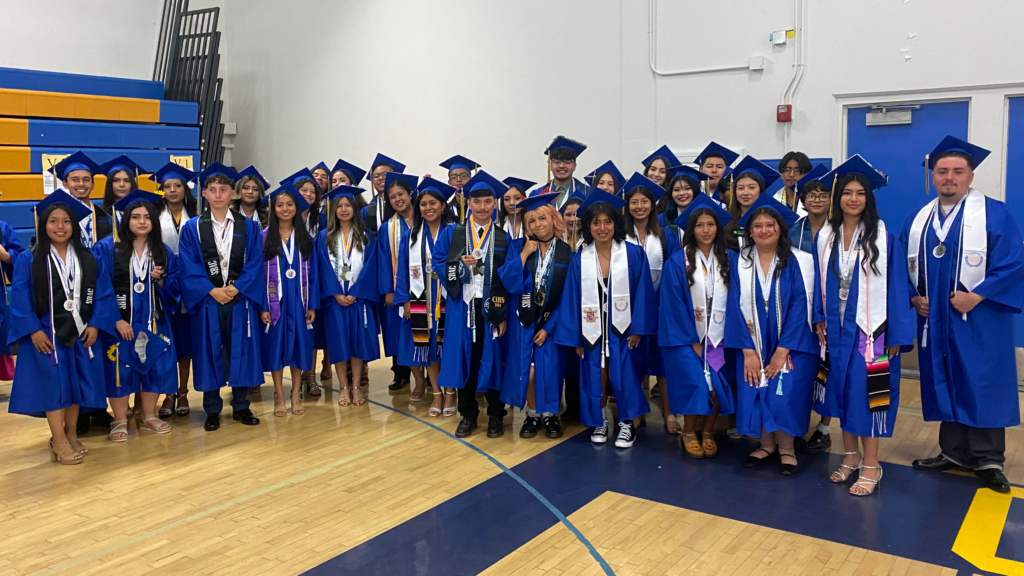
The Seal of Biliteracy, which started in California, is a distinction students in every state can earn for displaying proficiency in two or more languages. We are proud of our advocacy on bringing the seal to fruition, but there is more work to be done to ensure English learners have fair pathways for attaining it.

Actionable data and transparent outcomes are crucial for understanding how schools serve multilingual learners. Our advocacy is rooted in the idea that continuous improvement is possible when we build assessment and accountability systems that measure what matters.

Long-Term English Learners are students who are classified as English learners for six years without making progress toward English proficiency. Our advocacy was vital for ensuring these students, about 200,000, are recognized as a distinct statistical category in the state data dashboard.
Dual language learners are children under five who are actively learning multiple languages simultaneously. More than 60% of students in this age group are considered dual language learners. We advocate for building systems that affirm and support these young learners.
Long-Term English Learners are students who are classified as English learners for six years without making progress toward English proficiency. Our advocacy was vital for ensuring these students, about 200,000, are recognized as a distinct statistical category in the state data dashboard.
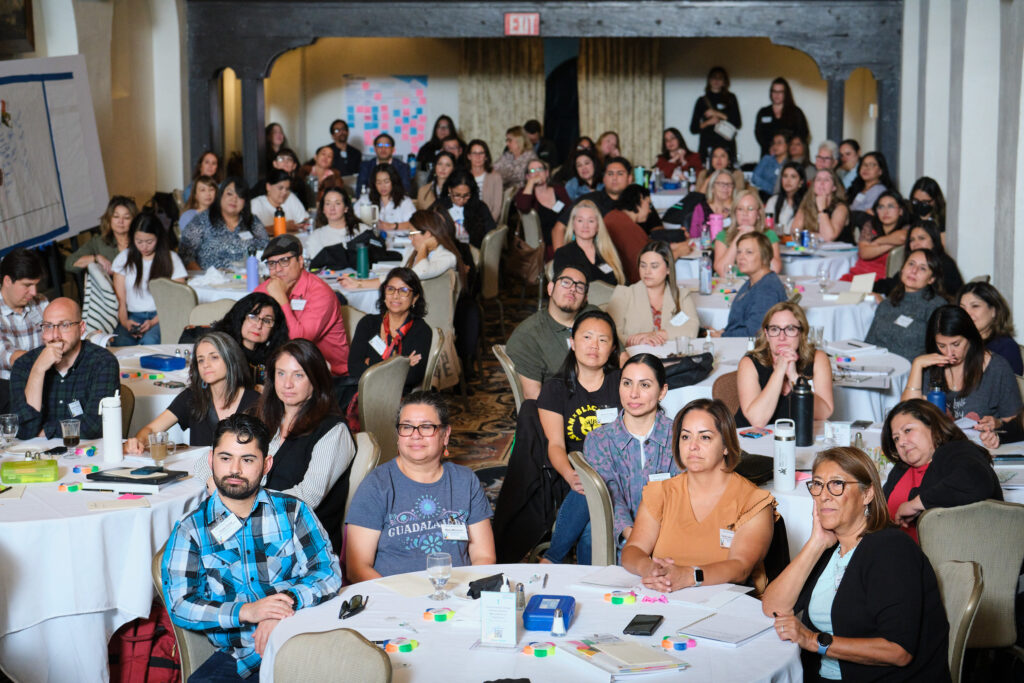
A decade of building advocates and advancing equity for multilingual learners.

Equipping schools with the resources and practices they need to create safe, welcoming classrooms where every student feels they belong.

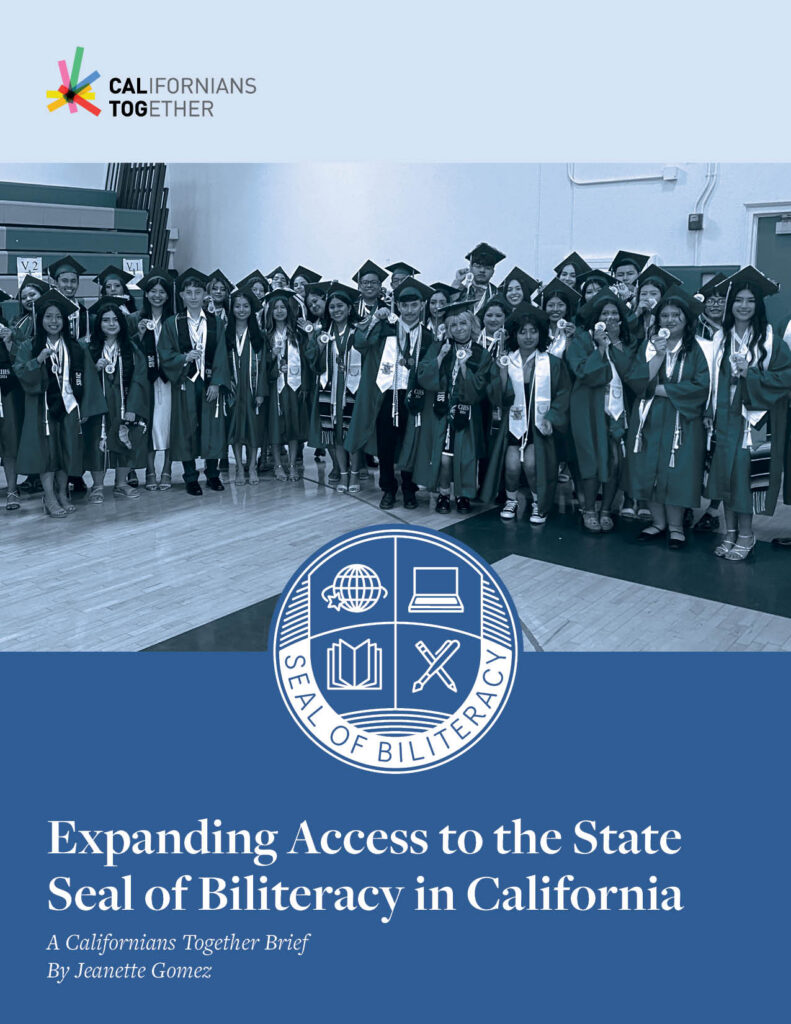
Earning the seal represents years of guidance decisions, assessment, and course-taking. Our latest brief explores the State Seal of Biliteracy as a proxy for access.
Are English learners encouraged to take rigorous courses, and do they receive the instructional materials they need to thrive in two languages?
Our literacy policy must have a focus on student-responsive teaching. Multiliteracy is the way of the future, particularly for our diverse state in the 21st century. It must be a cornerstone of literacy/biliteracy education policy in California.
Martha Hernandez, Executive Director, Californians Together
Californians Together
525 E. 7th Street, Suite C203
Long Beach, CA 90813
562.983.1333
2026 © Californians Together Site Credits


